
Article
Should You Pilot In-Ad Messaging on Your YouTube Demand Gen Campaigns?
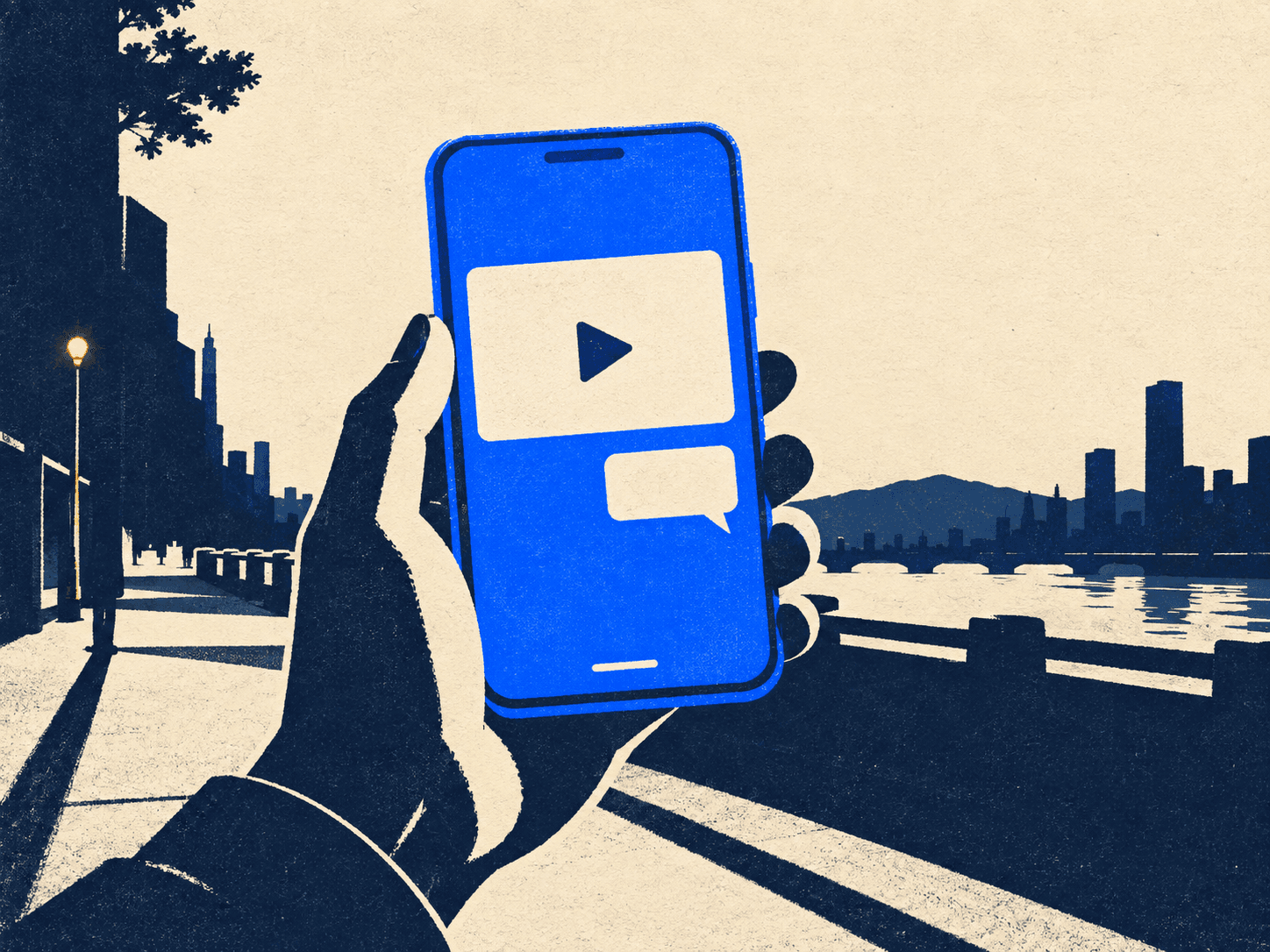
Google is testing a way for YouTube viewers to message brands directly from Demand Gen ads, and local service businesses that already work leads by text or chat have a reason to test it before it's standard.
Owners of independent local service businesses in the United States who run or are considering Google Ads Demand Gen campaigns on YouTube
- Supporting sections
- 3
- Questions answered
- 5
- Research captured
- 2026-09-24
On August 27, 2026, Google announced a batch of updates to its Demand Gen ad product, the campaign type that runs across YouTube, Discover, and Gmail. Buried in that announcement, alongside travel-ad personalization and a new video creation tool, was a single line that matters more to local service businesses than the rest of the post combined: Google is testing new ways for viewers to start conversations with brands on messaging apps directly from Demand Gen ads on YouTube.
For a plumber, HVAC contractor, salon owner, or any local business that already fields most of its inquiries through text message or a chat app, this is a potential new front door. Right now, a Demand Gen ad's job ends when someone clicks through to a landing page or a call button. If Google's test becomes a standard feature, that same ad could hand a warm lead straight into a messaging thread, no landing page required.
This piece lays out exactly what Google said, what it plausibly means for a local business, and a concrete way to test it once it becomes available to you, without overstating a feature that is, in Google's own words, still being tested.
The argument
The thesis
Google's August 2026 Demand Gen update adds an early-stage test of direct-messaging conversation starters to YouTube ads; local service businesses that already handle inquiries by message should treat it as a controlled experiment against their current call-to-action, not a proven replacement for it, and should track its test status closely since it has not been confirmed as a general release.
The case
What the research shows
What Google actually announced
In its August 2026 "Demand Gen Drop" post, Google said it is testing new ways for viewers to start conversations with brands on messaging apps directly from Demand Gen ads on YouTube, describing the goal as moving high-intent customers closer to purchase. The same post noted that in the second half of 2025, a set of Demand Gen improvements drove, on average, a 30% increase in conversions or conversion value for advertisers, based on Google's internal global data. The messaging feature was announced alongside other changes: more relevant travel ads showing local activities and real-time offers, personalized hotel ad targeting, and the general availability of Multimodal Video Creation in Asset Studio, a tool that lets advertisers build horizontal and vertical video assets from a single workflow for use across Demand Gen inventory. Google did not publish pricing, a rollout timeline, a list of supported messaging apps, or eligibility criteria for the messaging feature in this announcement. It was described only as being tested.
Why this matters for a local service business
Many independent local service businesses already close a meaningful share of their bookings and estimates through text or messaging apps rather than phone calls or web forms. A Demand Gen ad that lets a YouTube viewer message the business directly, instead of clicking through to a landing page and then finding a way to make contact, shortens that path. It adds a conversation-based response option alongside the call-to-action types a business already runs, such as "Learn more," "Call now," or a landing-page link. Whether this actually produces more or better leads for a given business is not something Google's announcement establishes. It is a plausible fit for businesses that already staff messaging responses well and lose leads at the landing-page or call step, but it has not been shown to outperform existing formats for any type of business, local service or otherwise.
How to think about testing it
Because Google has only said this capability is being tested, the first step for a local business is confirming it is actually available in their account before building a campaign around it. Once access is available, the sensible approach is a controlled test, not a wholesale switch: run the new messaging conversation-starter format against the current Demand Gen call to action for the same audience and offer, rather than replacing the existing setup outright. Define success metrics before launching: messaging starts (how many viewers initiate a conversation), response rate (how many of those conversations get a reply from either side), and qualified inquiries (how many turn into a real booking or estimate request, by whatever definition the business already uses for its other lead sources). Comparing those three figures against the equivalent numbers from the current call-to-action gives a like-for-like read on whether the messaging path is worth keeping. Because the feature is explicitly in a testing phase, document its status throughout: note when it was accessed, what appeared in the account, and whether it was labeled as a beta or limited test at the time. Google has not stated when or whether this will move to general availability, so a business's own test data and status notes are the only reliable record of what was actually run.
Takeaway
Google's August 27, 2026 Demand Gen Drop confirmed it is testing, not yet broadly launching, direct-messaging conversation starters on YouTube Demand Gen ads. Local service businesses already comfortable handling inquiries by text or chat have a reasonable case to try it, but only as a side-by-side test against their existing call-to-action, with clear metrics and clear documentation of the feature's beta status.
If you already staff messaging responses
Run a controlled A/B test
Compare the new messaging conversation starter against your current Demand Gen call-to-action, tracking messaging starts, response rates, and qualified inquiries side by side.
Before launching anything
Confirm availability in your account
Google described this only as being tested; check whether the feature is actually accessible to your account rather than assuming general availability.
Throughout the pilot
Log the feature's test status
Because Google has not stated a general-availability date, record when and how the feature appeared in your account so your results are traceable to a specific test period.
Questions
Frequently asked
Keep reading
Related
1 sources, captured 2026-09-24 · show· hide
Vendor pages change. Figures are as published on the capture date; confirm before deciding.